A Trade War Triggered a Memory
The ongoing China-US trade war reminded me of our trip to Xi’an back in 2017. Trump had just started his first term, and well… he wasn’t exactly endearing himself to anyone then either. That trip was a bit of a milestone for me. I’d been to China plenty of times, but always for business.
This was the first time I went purely as a tourist and it made all the difference. I could finally slow down, take things in, and ask questions about the way people lived, not just how businesses ran.
Xi’an – 3.000 years of history
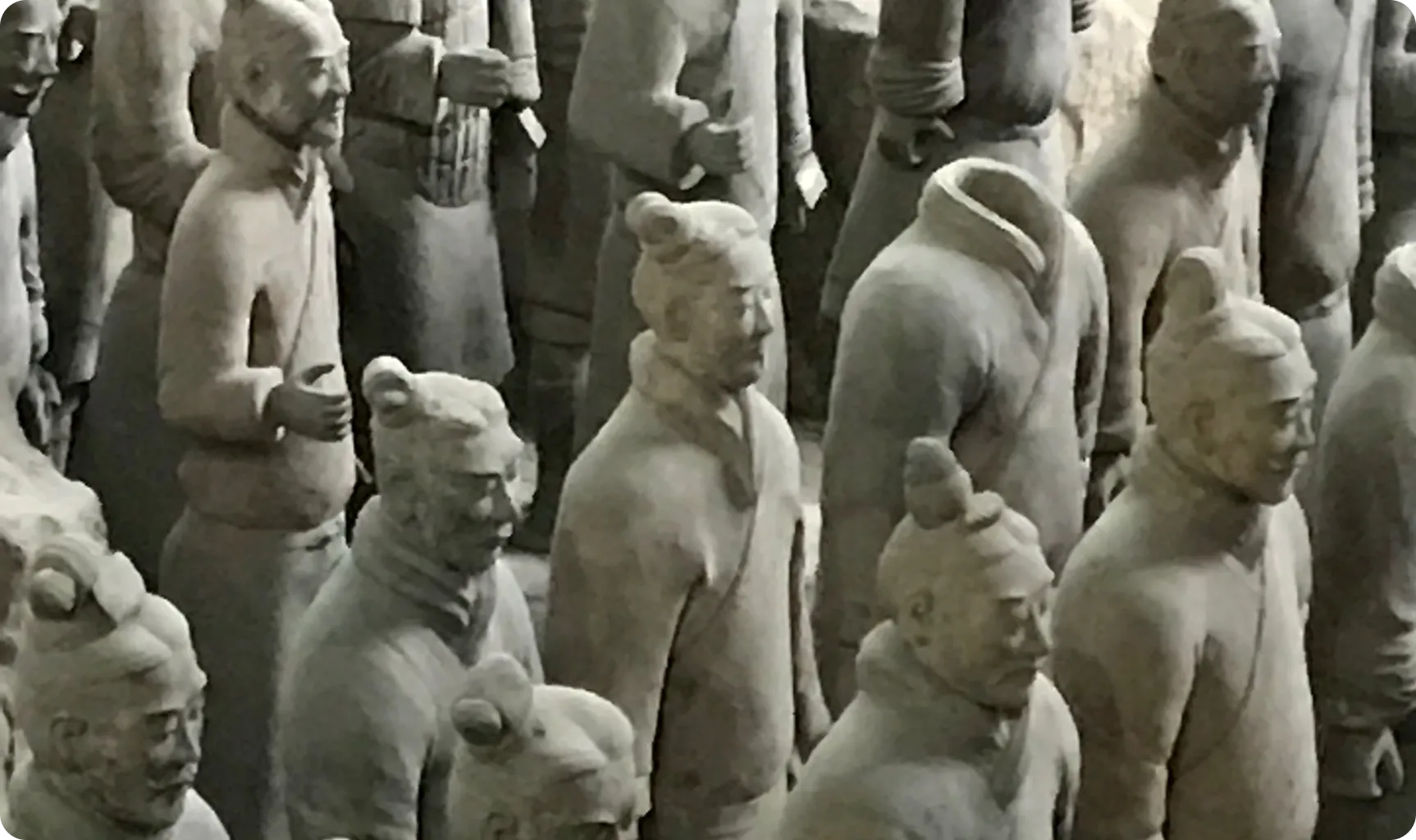
Xi’an is one of the oldest cities in China, and it shows, in the best possible way. It served as the capital during some of the country’s most powerful dynasties: the Qin, Han, and Tang, spanning more than a thousand years of political and cultural leadership. Its roots go back over 3,000 years, making it even older than Beijing or Shanghai.
And of course, it was the starting point of the Silk Road, the ancient highway of trade, culture, and ideas. That historical weight is still palpable when you walk through the city.
Technically, Xi’an isn’t considered a Tier 1 city like Beijing or Shanghai. But in many ways, it doesn’t need that label. The way the city has embraced modern technology is just astounding.
Unexpected Cultural Clash
I was travelling with my sister and my American brother-in-law, who’s Japanese by ethnicity. I’d persuaded them to join me because seeing the Terracotta Warriors had been on my travel bucket list for ages.
Our guide, Mr Li, met us at the hotel. He was fluent in English and had an air of quiet efficiency, former civil servant turned tour guide, he told us. As we drove past row of high-rise apartments and gleaming new construction, my brother-in-law stared out the window and said, “Oh my, look at this. China is not what I had imagined! So much development. More than LA!” Mr Li turned around from the front seat and said, very calmly but very directly, “You mean you didn’t know? Our GDP will be ahead of the US soon.”
Cue awkward silence.
I looked at my sister. She looked at my brother-in-law with a ‘watch what you’re saying’ kind of stare. We still had two full days with Mr Li. Probably best not to get off on the wrong foot.
My brother-in-law looked confused. “Did I say something wrong?” he shot us a look.
I whispered, “Face. You’ve got to understand the concept of face in Chinese culture. It’s a thing.”
Thankfully, the Terracotta Warriors were waiting and they made a great distraction.
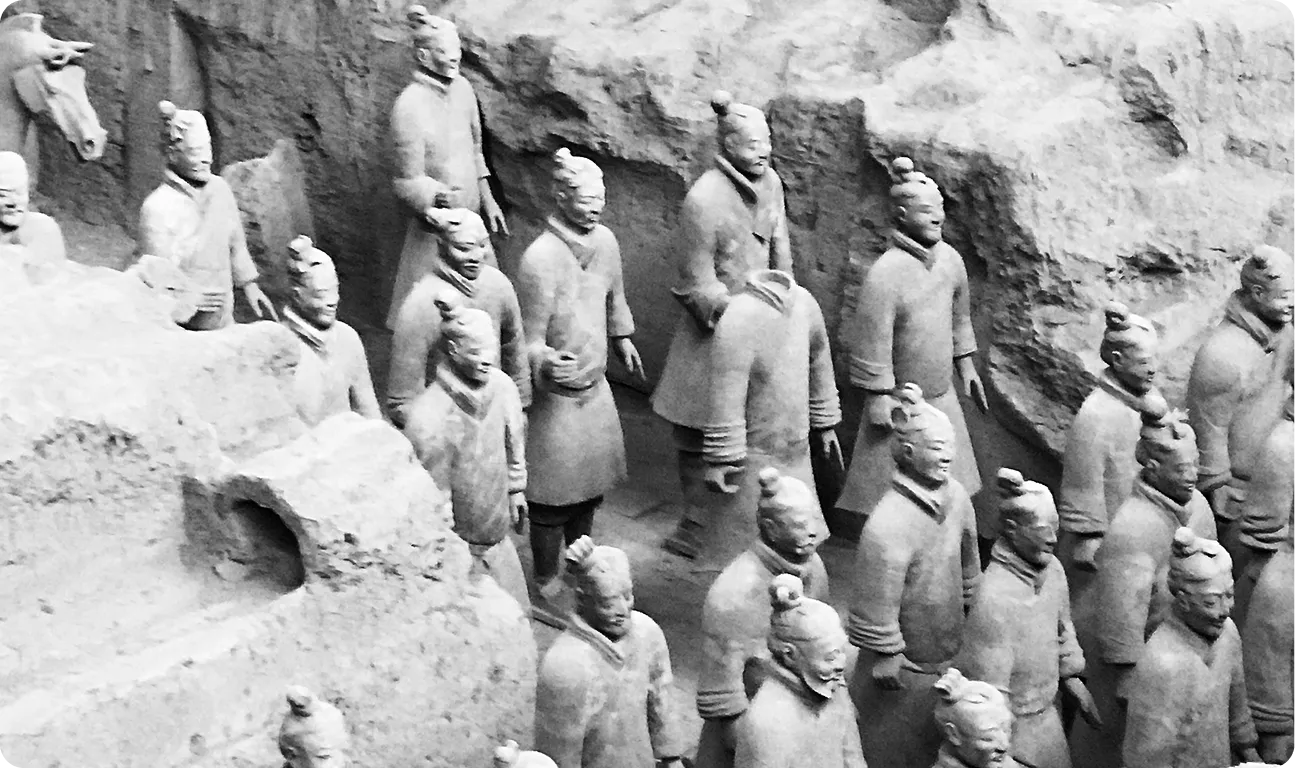
The Emperor’s Army: Awe and Artistry
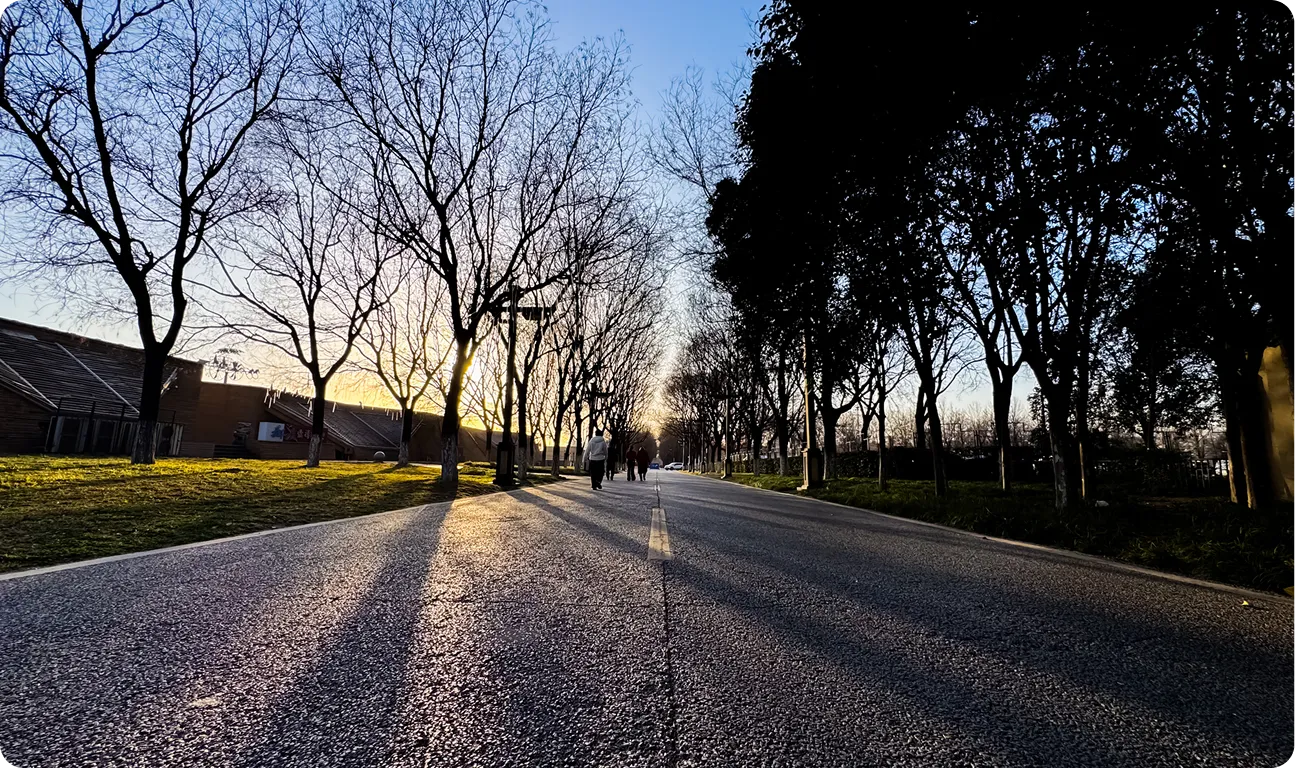
You’ve probably seen the photos, but nothing compares to seeing the Terracotta Army in real life. It really is one of the most incredible archaeological finds of the 20th century. Farmers digging a well stumbled upon it in 1974, and what they found was an underground army of more than 8,000 life-sized soldiers, each with its own unique face, hairstyle, and expression. Horses, chariots, the whole works.
They were built over 2,200 years ago to guard the tomb of China’s first emperor, Qin Shi Huang. It’s mind-blowing when you stand there, knowing this was meant to protect him in the afterlife. The scale and detail are unbelievable.
Mr Li came alive again as he explained the historical significance. The Qin Dynasty, which unified China in 221 BC, was powerful, efficient, and ambitious. The emperor’s obsession with immortality mirrored that of the pharaohs of Egypt. The full glory of Chinese civilization and national pride was on display My brother-in-law, ever the gentle soul, was amazed. He loved the terracotta warriors but didn’t quite grasp the sense of pride that surrounded it. Like many
Americans, he’d only seen one version of China through the lens of the media. Outdated. Slow-moving. Closed.
In reality, China’s GDP had skyrocketed from around USD 347 billion in 1989 to over USD 12 trillion by 2017. Deng Xiaoping’s famous line: “Wo men Zhongguo ren zhan qi lai le” (We Chinese
are now standing tall), wasn’t just a slogan. It was a whole movement. And Xi’an was living proof of it.
QR Codes Before They Were Cool
This was 2017. Back then, QR codes weren’t something we saw everywhere—at least not outside of Asia. But in Xi’an? They were already part of daily life.
At the Terracotta Warriors site, a big poster encouraged us to scan a QR code to download an app. That evening, at dinner, we asked for a menu—and were shown a QR code instead. Even our hotel had a sign that said we could communicate with the butler via WeChat.
My brother-in-law was floored. “They’re so advanced. They are ahead of us,” he kept saying, shaking his head in disbelief.
And it didn’t stop there.
The next day, during a food tour through Xi’an’s Muslim Quarter, our guide bought us a delicious beef pancake from a pushcart vendor and paid using Alipay on his phone. When I stopped for bottled water, the lady had a little QR code sticker at her booth. Even the hair and nail salon had one. Visa and Mastercard? Nowhere in sight. It was WeChat Pay or Alipay, take your pick.
Years later, when COVID-19 hit and QR code ordering became the global norm, I remembered Xi’an. They had been ahead of the curve all along.
Today, with China’s AI companies like DeepSeek making headlines, the world is paying attention—often too late. And leaders like Trump may never understand the deep cultural psyche that drives China.
Farewell and Final Reflections
My brother-in-law never got to return to China. He didn’t have to learn how to use QR codes during Covid-19. He passed away in March 2021 during the pandemic. I remember our days in Xi’an, his eyes wide with wonder, the past and future colliding before him.
Xi’an taught me that progress doesn’t erase history, it builds on it. It reminded me that you can honour the past while still moving boldly into the future. Walking through ancient tombs one moment and scanning a QR code the next—it was a powerful reminder that tradition and innovation don’t have to be at odds. In fact, they can thrive together.
Sometimes it’s not about choosing between old and new, it’s about carrying the wisdom of one into the promise of the other. Xi’an showed me that history isn’t meant to hold us back. It’s meant to give us roots, so we can rise.